
There’s a reason more homeowners are carving out space for a sauna. It turns unused square footage into something you look forward to using, not something you’ll walk past every day. But before anything gets installed, there’s an intricate layer of planning that makes the difference between a sauna that works and one that constantly runs into issues.
Meeting all the sauna’s electrical requirements starts with knowing how your space, power supply, and layout all need to work together to support the system you’re bringing in. From electrical capacity to room placement, every decision made upfront will influence how your sauna performs. When those details are handled correctly, your sauna will heat up efficiently, operate consistently, and become a natural part of your home instead of something you have to force into place.
The Benefits of Installing a Home Sauna
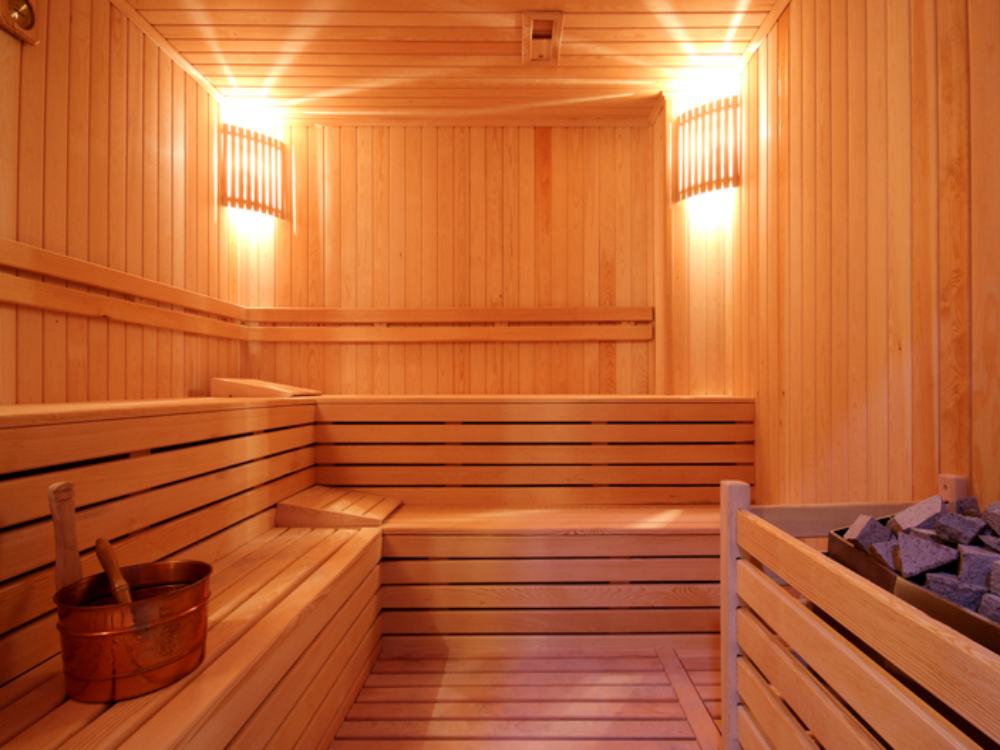
When a sauna is planned and installed correctly, it becomes a daily-use upgrade that changes how you use your home. Check out all these benefits of installing an in-home sauna:
- Consistent At-Home Access – You’ll eliminate the need to travel for a sauna experience and gain reliable access whenever it fits your routine.
- Efficient Use of Interior Space – A well-placed sauna transforms underused areas into something functional and worth using every single day.
- Improved Personal Recovery – Heat exposure relaxes your muscles and improves blood circulation, which makes it a practical addition for anyone with an active lifestyle.
- Added Perceived Home Value – A properly installed sauna introduces a premium feature that stands out to future buyers and enhances your property’s overall appeal.
- Daily Comfort Without Complexity – Modern systems heat efficiently, maintain stable temperatures, and operate in a way that feels simple once installed correctly.
Types of Home Saunas Homeowners Can Choose
Not every sauna operates the same way, and your choice directly impacts how it performs in your space.
Traditional saunas rely on electric heaters that warm the air, which then transfers heat throughout the space. These systems run hotter and often require more power to maintain consistent temperatures.
Infrared saunas use radiant heat to warm your body directly without raising the surrounding air temperature as much. This typically allows for lower operating temperatures and can reduce overall electrical demand.
Homeowners can also choose between a prefabricated kit and a custom-built installation. Kits can be installed much faster with defined specifications, while custom builds give you flexibility in size, layout, and materials. The right direction depends on how much space you’re working with and how you want the sauna to function within your home.
Electrical Requirements for Home Sauna Installation
This is where your entire sauna project really comes together. But without proper, professional planning, even a high-quality sauna won’t perform the way it should.
Most systems require a dedicated circuit sized to match the heater’s demand. Using the correct circuit involves calculating the correct sauna circuit breaker size and ensuring your panel can support the load before the installation begins. The wiring must be rated for the environment and installed according to the manufacturer’s specifications to ensure the sauna is safe and operates consistently.
The installation also needs an electric sauna power supply that’s compatible with the type and size of the system. Getting this stage right determines whether your sauna heats efficiently or struggles to maintain temperature.
Choosing the Right Location for a Sauna
The placement of your new sauna will influence its performance and its day-to-day usability more than most homeowners expect. Indoor installations certainly give you more control over the sauna’s temperature and accessibility. An outdoor sauna usually needs additional planning to account for weather exposure and electrical routing. But the location definitely needs to be well-ventilated. Heat and airflow need a controlled path so the system can operate consistently without trapping excess moisture in the surrounding materials.
The distance from your electrical panel needs to be determined, along with the sauna wiring setup, which needs to have a clean, efficient path to the panel. Plus, the flooring, wall materials, and clearance all need to be considered to ensure the sauna is safe, structurally sound, and made to support the unit’s weight.
Common Mistakes to Avoid During Sauna Installation
Most installation issues come from decisions made before any wiring or assembly begins. This means you never want to overlook the actual power capacity you’re working with. Skipping a full electrical evaluation will inevitably lead to an undersized circuit or an overloaded panel.
Hastily choosing a sauna that doesn’t actually match your available space will limit airflow and drastically reduce the unit’s performance. And poor ventilation will trap too much heat and moisture outside the sauna, which can damage your home’s surrounding finishes.
Another common mistake is relying on DIY installation without accounting for manufacturer specifications. Electrical components, clearances, and heater placement all need to align exactly with the system’s requirements. When those details are overlooked, a lot of problems can show up very quickly once the system is in use.
Why Homeowners Trust Coffin Electric for Sauna Electrical Work
A sauna installation demands more than just connecting a few wires and setting a unit in place. You need to have a clear-cut plan that accounts for how your home is built and how the system will operate under load.
As Des Moines’ renowned local sauna electricians, our team here at Coffin Electric approaches every sauna project by evaluating your panel capacity, mapping out the wiring path, and preparing the space so the installation fits naturally within your home. We excel at installing sauna circuits, ensuring code compliance, and completing the setup with a clean finish that holds up over time. Our process is built around getting all the details right from the start so your sauna performs exactly the way it should once it’s up and running.
Make Your Sauna Installation Work From Day One
The difference between a sauna that works and one that frustrates you usually comes down to what happens before it’s ever turned on for the first time. When the electrical system has been thoughtfully installed and the layout has been purposely executed, everything else falls into place naturally. At Coffin Electric, we’ll happily handle every part of your installation with that in mind. As your full-service electrical contractor proudly serving Grimes homeowners like you, we’ll make sure your system is powered safely, installed cleanly, and built to perform over the long term.
If you’re ready to move forward, we’re here to help you plan it out and get it done right. Contact us today to request a sauna installation estimate and schedule your in-home evaluation.
Installing a Home Sauna – Frequently Asked Questions
Does a Home Sauna Require Special Electrical Wiring?
Yes. Most sauna systems need to have a dedicated circuit designed around the heater’s power needs. This ensures the sauna can operate consistently without affecting other circuits.
What Is the Difference Between Infrared and Traditional Saunas?
Infrared saunas heat the body directly using radiant heat, while traditional saunas are engineered to heat the air first. That distinction is what impacts temperature range, energy use, and the unit’s overall feel.
Can a Sauna Increase Home Value?
A properly installed sauna can increase your property’s perceived value by adding a unique feature that stands out in a competitive housing market, especially when it’s integrated professionally.
Should a Sauna Be Professionally Installed?
When you have your sauna installed by experienced professionals, they’ll do everything needed to ensure the electrical system is integrated correctly, the wiring meets code, and the unit operates safely and consistently from the start.
- Coffin Electric0
- Electric Vehicles1
- Electrical Inspection3
- Electrical Installation3
- Electrical Maintenance2
- Electrical Panel1
- Electrical Rewiring1
- Electrical System8
- Electrical Technologies1
- Electrical Tips15
- Electrical Upgrade2
- Electrical Wiring1
- Electrical Work2
- Energy-Saving Tips3
- Heater Safety1
- Home Generators2
- Home Maintenance6
- IoT Devices1
- Lighting Ideas4
- Pool Lights1
- Surge Protection1