
Hot tubs and swim spas continue to be highly sought-after features among modern homeowners. But, from the initial planning to that first dip, a new hot tub should be rewarding, not a project that turns your breaker panel into a guessing game. Between water, weather, and high-powered equipment, this is one upgrade where all the behind-the-scenes work matters just as much as the finished setup.
If you’re considering a hot tub electrical installation for your home, it needs to be treated like its own dedicated project, not an add-on to whatever wiring is already nearby. Installing a hot tub involves many electrical considerations to ensure your spa runs smoothly from day one. If you’re considering installing a hot tub in your home, let’s take a more in-depth look at all the requirements involved in the process.
Understanding Electrical Requirements for Hot Tubs
Nowadays, hot tubs and swim spas are no longer a niche upgrade. More and more homeowners are investing in them to give their homes more dedicated space for relaxation, and that demand has made proper planning more important than ever. What sits on the surface is simple, but the electrical system behind it is anything but.
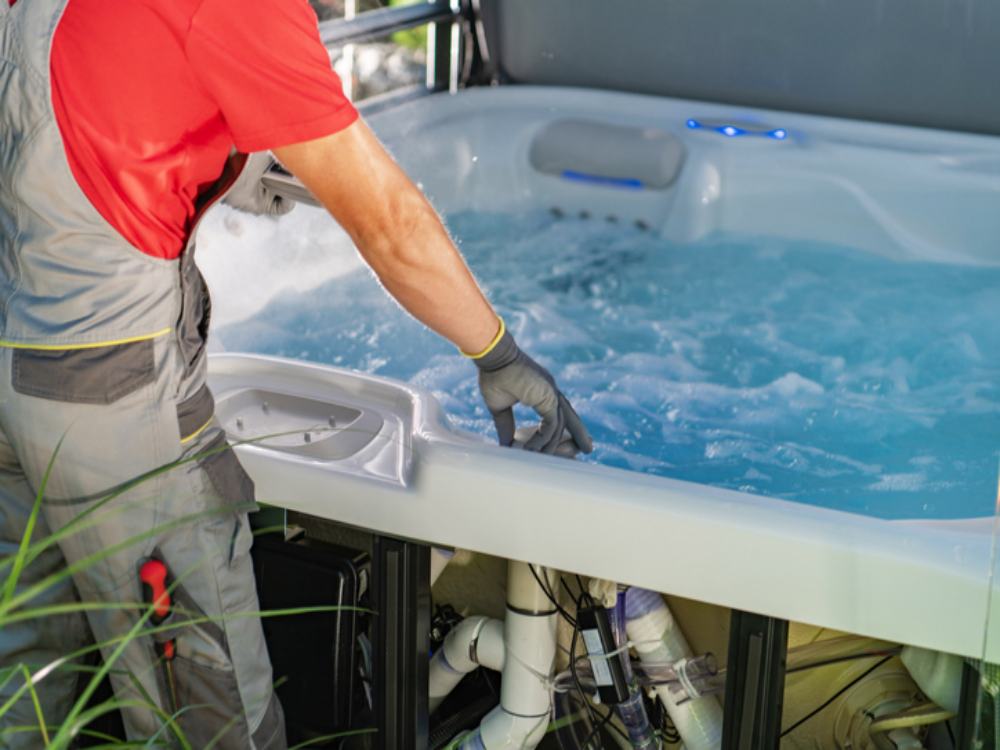
A hot tub installation should be completed by a professional who understands your spa’s specific power needs. And that’s because most full-sized systems require a dedicated circuit, higher voltage, and proper load planning based on manufacturer specifications. When those pieces line up, your spa will run consistently without tripping a breaker or struggling to maintain temperature.
Common Electrical Components Needed for Installation
Setting up your new hot tub or swim spa is comprised of a few core components that work together as one system, including:
- A Dedicated Circuit – A dedicated circuit for your hot tub ensures it operates without competing for power with other appliances in your home.
- GFCI Protection – This safety device shuts off power instantly if it detects an electrical imbalance, which is safety-critical when the circumstance involves water.
- Disconnect Switch – A code-compliant disconnect allows you to cut the power quickly when performing maintenance or during an emergency.
- Conduit and Wiring – Outdoor-rated wiring and conduit protect your system from moisture, soil movement, and long-term wear.
Electrical Differences Between Hot Tubs and Swim Spas
Hot tubs and swim spas may look similar, but the electrical demands behind them aren’t.
Most standard hot tubs run on 240V hot tub wiring, giving them enough power to heat water quickly while running pumps and jets at the same time. Smaller plug-and-play models may use 120V, but they come with a slight sacrifice in performance.
A swim spa electrical setup usually requires even more electrical capacity. Hydrotherapy systems run larger motors to move water continuously, which means higher amperage, longer wiring runs, and more planning around panel load and equipment placement.
Why Professional Electrical Installation Is Essential
Water and electricity leave no room for shortcuts. Licensing, permitting, and code compliance are all part of the process, and for a reason. A qualified hot tub electrician will account for grounding, bonding, circuit sizing, and safe routing well before anything is connected. They’ll also ensure that your setup meets National Electrical Code requirements and local regulations so your system works safely from the very start.
Beyond safety, proper installation undoubtedly protects your investment. Incorrect wiring can lead to nuisances like tripped breakers, heating issues, or even long-term equipment damage that could have been avoided with the right setup from an experienced electrician.
Common Mistakes Homeowners Should Avoid
Most issues we see with spa installations are from overlooked details or assumptions about any existing wiring. One of the most common mistakes is trying to tie into an existing circuit. This leads to inconsistent power and frequent tripping. Another issue is underestimating the panel’s actual capacity. If your system can’t handle the added load, your spa’s performance will suffer immediately.
Improper disconnect placement is another frequent problem. Of course, it has to be accessible. But it also needs to be visible and located at a safe distance from the tub. From layout planning and all the electrical work to using durable, weather-rated materials, cutting corners can cause a lot of issues over time, especially in outdoor installations.
Why Choose Coffin Electric for Spa Electrical Services
Every spa installation has a different layout, load requirement, and distance from the panel. That’s why it’s best to seek the services of a qualified hot tub installation company. And it’s exactly why our team here at Coffin Electric approaches each project with a clean plan before any wiring is laid down.
When it comes to spa wiring requirements, we pay attention to all the fine details from start to finish. From evaluating your panel and installing the circuit to placing the disconnect and running final testing, you can trust we’ll prioritize every aspect of the installation process and ensure your new hot tub operates to perfection. We follow all current codes and make sure everything is installed with long-term performance in mind. As a family-owned and fully licensed electrical services company, we’re proud to continue serving homeowners across Grimes and throughout the Des Moines area.
Get Your Spa Set Up the Right Way
A hot tub or swim spa should be completely effortless to use, and that starts with the electrical work behind it. When everything is planned and installed correctly, your system runs reliably every time you step in. At Coffin Electric, we help homeowners install spa systems that are safe, efficient, and built to last. If you’re planning a new installation, our team is here to handle every detail.
Get in touch with us today to request an estimate and schedule your in-home consultation.
Electrical Requirements for Hot Tubs and Swim Spas – FAQs
Does a Hot Tub Require a Dedicated Electrical Circuit?
Yes, most full-sized hot tubs require a dedicated circuit. This ensures power is delivered consistently and prevents overloads from other appliances sharing the same line.
What Type of Breaker Is Needed for a Swim Spa?
Most swim spas require a GFCI breaker that matches the system’s amperage, often in the 40- to 60-amp range depending on the model. The exact requirement comes from the manufacturer’s specifications.
Can I Install a Hot Tub Without Upgrading My Electrical Panel?
It depends on your current panel capacity. Some homes can support a new circuit without upgrades, but others may need additional capacity to handle the load safely. A professional evaluation is the best way to know for sure.
- Coffin Electric0
- Electric Vehicles1
- Electrical Inspection3
- Electrical Installation3
- Electrical Maintenance2
- Electrical Panel1
- Electrical Rewiring1
- Electrical System8
- Electrical Technologies1
- Electrical Tips15
- Electrical Upgrade2
- Electrical Wiring1
- Electrical Work2
- Energy-Saving Tips3
- Heater Safety1
- Home Generators2
- Home Maintenance6
- IoT Devices1
- Lighting Ideas4
- Pool Lights1
- Surge Protection1