
The Importance of Preventive Electrical Maintenance for Homeowners in Grimes, IA
Grimes, Iowa is a vibrant, up-and-coming suburb, with some lovely homes perfect for growing families. Caring for these homes requires preventive upkeep, and this includes being proactive about electrical maintenance. When the electrical system of a house is properly maintained, costly repairs can be avoided, and the home will be safer, overall. One of the most effective ways to protect your home’s electrical system is to schedule a professional annual electrical inspection.
What’s Included in an Annual Electrical Inspection?
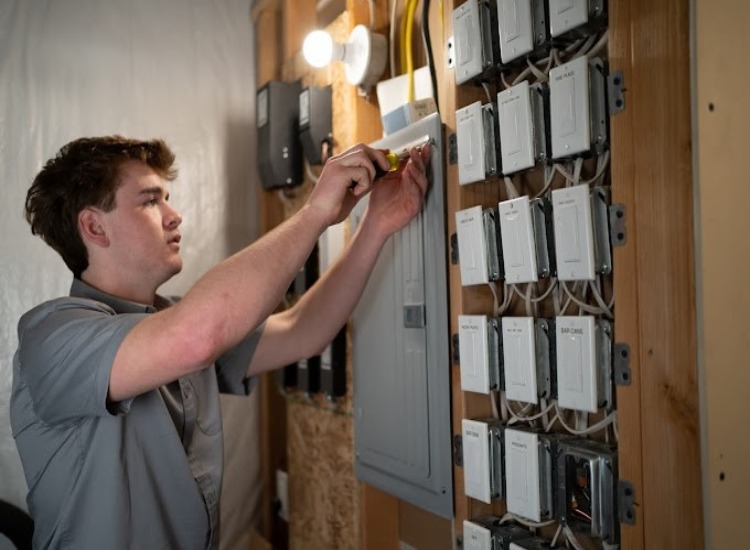
When you schedule an inspection, you can expect the electrician to be very thorough in checking out your electrical system. The wiring, panel, outlets, and overall system will be inspected, using advanced tools and methodologies that can find issues that might otherwise go unnoticed. A professional inspection will include a check of all the critical components of your system, including grounding systems and circuit breakers. Meticulously assessing every aspect of your electrical system, an inspector will be able to ensure that it is functioning safely and efficiently, and this can prevent future hazards and repairs.
Common Electrical Issues Found in Iowa Homes
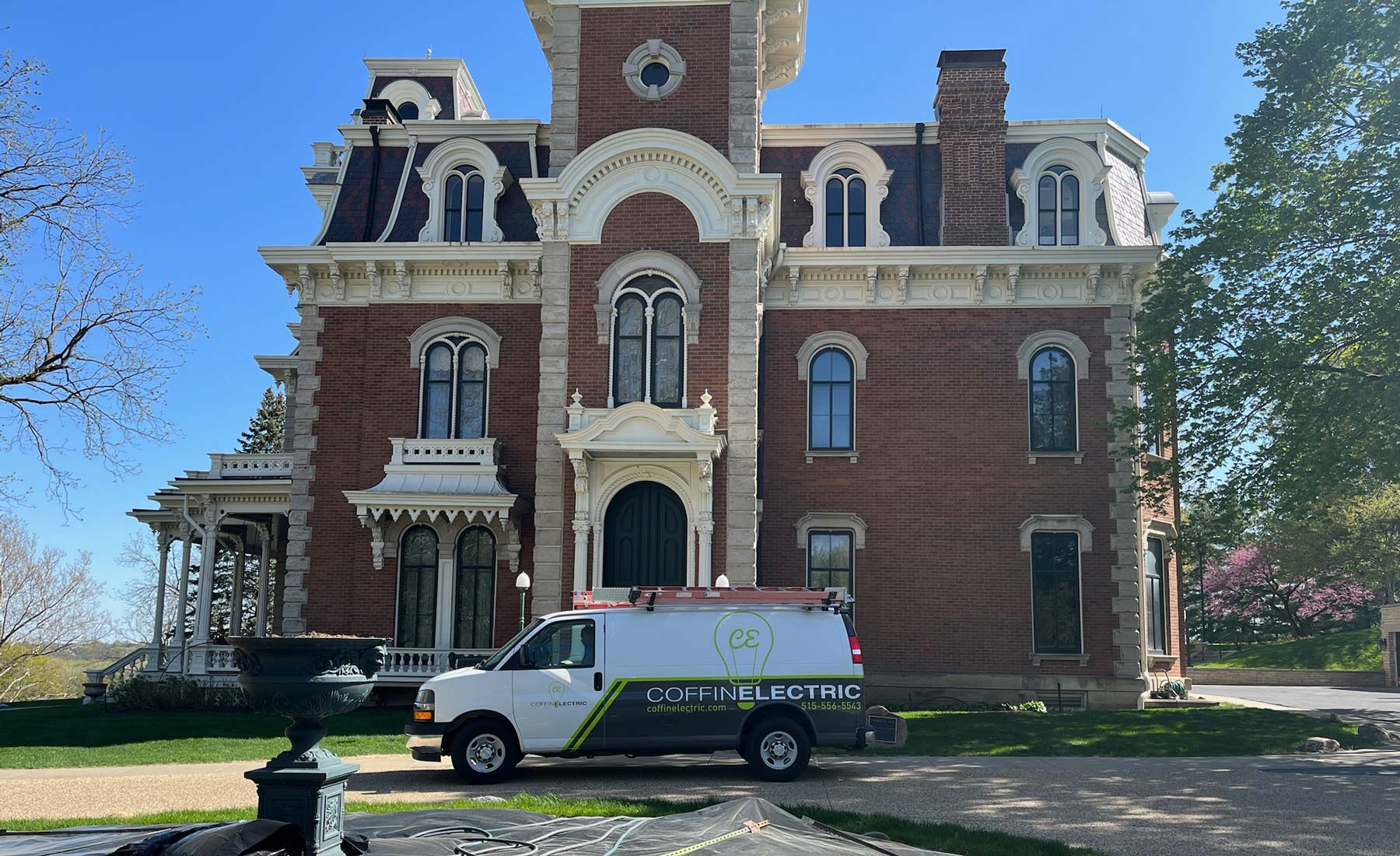
Des Moines became Iowa’s capital in the mid-1800s, and while most homes in the area were built over the past 40 years or so, many are much older. Some of the gorgeous homes in the historic neighborhoods were built before the turn of the 20th century! The houses in Grimes are generally on the newer side, but homes built more than 25 years ago may have electrical issues that the homeowner is not even aware of. In newer homes, everything that is installed has electronic sensors and microprocessors to function properly, from ARC fault breakers to GFI receptacles to smoke detectors, but older homes don’t necessarily have those safeguards. It’s important to note that just because power is flowing, that doesn’t mean it’s working properly — you may not be properly protected. Some of the more common electrical problems homeowners in Iowa face include flickering lights, frequent circuit breaker trips, and overloaded outlets. What’s more, Iowa’s winter weather can be rough on an aging electrical system, and can damage wiring as well as causing power surges. As you may have noticed, when components of your electrical system fail, it’s almost always at an inconvenient time.
How an Electrical Safety Inspection Can Help Prevent Major Repairs
An electrical safety inspection can identify minor issues, so that you can address them before they develop into major problems requiring expensive repairs. Safety hazards like faulty wiring can be addressed before they endanger your family. What’s more, a professional electrical inspection can determine whether your system needs to be updated. Technology, and our reliance on electronics, has grown rapidly in the past few decades, and many homes don’t have electrical systems that were built to handle the kind of usage required by a modern family. An electrician can make sure your system is equipped to meet your needs, and can also help find ways to improve your home’s energy efficiency. Another benefit of regular inspections is that you can be sure your home is in compliance with building codes and insurance regulations. In fact, some insurance companies will increase the premiums or even cancel the policy on a home that hasn’t been inspected regularly.
When Should You Schedule an Inspection?
An annual inspection is ideal, but if that’s not practical, schedule an inspection at least every three to five years. If you live in an older home, however, we strongly suggest that you schedule inspections at least every two years. Further, any time you remodel, add a high-demand appliance, or suffer storm damage, the best option is to schedule an inspection right away.
FAQs:
How Long does an Electrical Safety Inspection Take?
- For the average residential property, an electrical safety inspection can be expected to take between two and four hours.
What Should Be on a Home Electrical Inspection Checklist?
- Electrical Panel (and Subpanels, if Applicable)
- Ground Circuits
- GFCI and AFCI Protection
- Outlets, Switches, and Fixtures
- Grounding and Bonding
- Surge Protection
- Smoke and Carbon Monoxide Detectors
- HVAC Electrical System
- Electrical Appliances
- Electrical Safety Compliance
Is an Inspection Necessary for Newer Homes?
- All homes should have regular electrical safety inspections, regardless of age. An inspection should be conducted before you move into your home, and should be scheduled regularly after that.
How Often Should Homeowners Schedule Electrical Inspections?
- Annual inspections are best, but if that’s not practical, a home should be inspected at least every three to five years. Note: in the case of a renovation, storm damage, or the addition of a high-demand appliance, an inspection should be scheduled as soon as possible.
Contact Coffin Electric to Schedule a Licensed Electrician Inspection for Your Home
When you need professional electrical services in the Des Moines area, trust the experienced, reliable team of licensed electricians at Coffin Electric. Since 1920, our local, family-owned business has been providing comprehensive electrical services to our community, and we work hard to exceed our customers’ expectations. Motivated and dedicated, we have the knowledge and technical skills necessary to provide quality service on every job, from upgrading electrical panels to installing generators and lighting fixtures to keeping the wiring in your home safe and up to date. We’ll always give you our full attention, behave with integrity, and stand behind our work. For all your home’s electrical needs, contact us and we’ll get the job done right.
- Coffin Electric0
- Electric Vehicles1
- Electrical Inspection3
- Electrical Installation3
- Electrical Maintenance2
- Electrical Panel1
- Electrical Rewiring1
- Electrical System8
- Electrical Technologies1
- Electrical Tips15
- Electrical Upgrade2
- Electrical Wiring1
- Electrical Work2
- Energy-Saving Tips3
- Heater Safety1
- Home Generators2
- Home Maintenance6
- IoT Devices1
- Lighting Ideas4
- Pool Lights1
- Surge Protection1