Many Iowa homeowners living in older houses worry that an electrical panel upgrade will automatically trigger expensive whole-home electrical changes. Recent Iowa electrical code updates may provide relief in some situations by reducing the amount of additional work required when replacing or upgrading an electrical panel. Iowa’s adoption of updated electrical standards, including changes related to state amendments and use of the National Electrical Code (NEC), has created opportunities for more practical and cost-effective compliance for some homeowners. While safety remains the top priority, these electrical code changes Iowa homeowners should know about could help reduce project costs when older systems are otherwise in good condition.
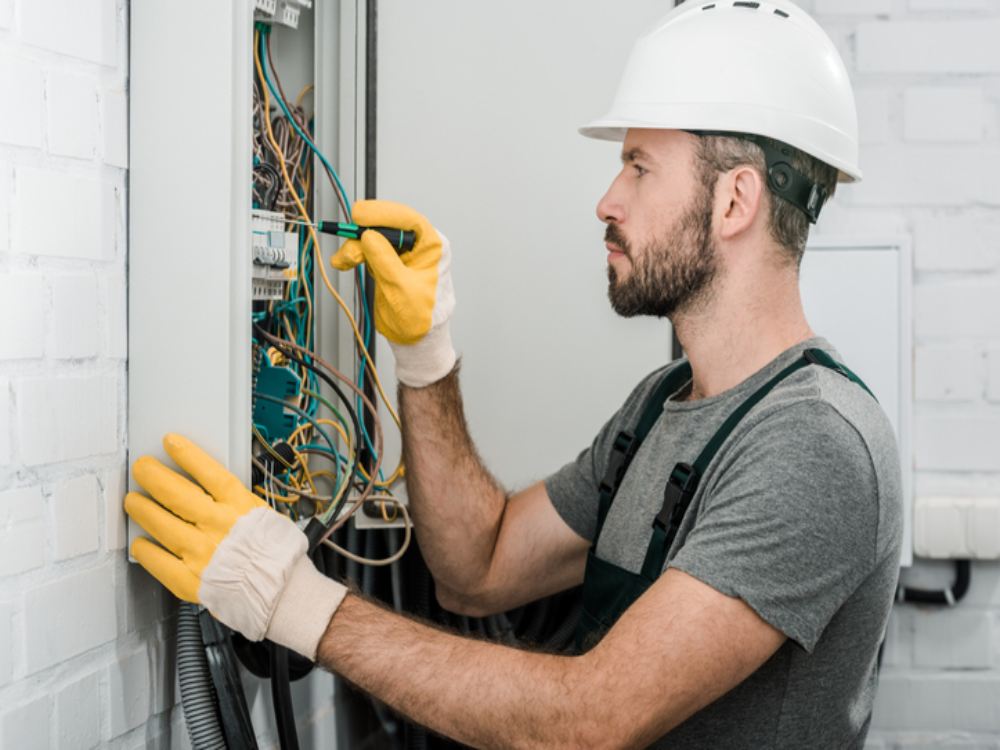
Why Many Older Iowa Homes Need Electrical Panel Upgrades
As technology has advanced, our daily reliance on power has grown exponentially. Decades ago, a standard residential electrical panel only needed to support a few light fixtures, a refrigerator, and a radio. Today, we power high-definition televisions, multiple computers, central air conditioning, smart home devices, and even electric vehicle chargers. Many older Iowa homes still operate on outdated 60-amp or 100-amp service panels, which simply cannot keep up with these modern demands. Overloaded panels can lead to serious fire hazards. Upgrading to a modern 200-amp panel ensures your home has the capacity to handle today’s appliances safely and efficiently.
What Changed in Iowa’s Electrical Code?
Recent Iowa electrical code updates have brought the state’s requirements closer to the current National Electrical Code. The updates generally aim to improve consistency, enhance safety, and simplify compliance requirements for property owners and contractors.
A key benefit for some homeowners is that electrical panel upgrades may not always require extensive modifications. Under certain circumstances, existing wiring systems that were legally installed and remain in safe operating condition may continue to be used rather than being replaced simply because a new panel is being installed. This approach recognizes that many older homes have electrical systems that continue to function safely, even if they do not meet all the requirements of newly constructed homes.
How These Changes Could Help Reduce Upgrade Costs
One of the biggest expenses associated with electrical compliance for homeowners has traditionally been the possibility of additional work being required beyond the panel replacement. When older wiring systems needed to be upgraded to meet newer standards, project costs could increase significantly. The updated Iowa electrical code for older homes may reduce those costs in situations where existing branch circuits and wiring remain safe and serviceable.
Potential cost-saving electrical upgrades may include:
- Limiting replacement work to the electrical panel itself
- Avoiding unnecessary rewiring projects
- Preserving portions of existing compliant wiring
- Reducing labor and material expenses
- Simplifying inspection and approval processes
Will Every Older Home Qualify for Lower-Cost Panel Upgrades?
While the updated code can benefit many homeowners, not every property will qualify for a reduced-scope upgrade. Several factors influence whether existing electrical components can remain in service, including:
- The age and condition of the wiring
- Evidence of overheating or damage
- Grounding and bonding requirements
- Safety hazards identified during inspection
- Whether previous electrical work was performed correctly
- Local code enforcement requirements
Signs It’s Time to Replace Your Electrical Panel
It’s always best to be proactive rather than waiting for an electrical emergency. You should consider scheduling a panel inspection if you notice any of the following warning signs:
- Frequent Tripping: Your circuit breakers trip regularly when you run everyday appliances.
- Flickering Lights: Your lights dim or flicker when the refrigerator or air conditioner kicks on.
- Physical Warmth or Odors: The panel door feels warm to the touch, or you notice a faint burning smell near the breaker box.
- Fuses Instead of Breakers: Your home still utilizes an obsolete fuse box rather than a modern circuit breaker panel.
- Rust or Corrosion: Visible moisture damage or rust on your electrical panel enclosure.
Why Choose Coffin Electric for Electrical Panel Upgrades?
The team at Coffin Electric understands current code requirements and the unique challenges found in older Iowa homes. We specialize in navigating the complexities of older home electrical systems, ensuring you receive the maximum cost savings possible under the new regulations without ever compromising on safety. Our licensed team treats your home with the utmost respect, providing transparent communication, clear upfront pricing, and neat, professional craftsmanship that keeps your household running smoothly.
Contact Coffin Electric
Coffin Electric is your go-to electrical component provider in Grimes, IA. While every property must still meet applicable safety standards, these updates can make electrical improvements more affordable in many situations. If you’re considering an electrical panel upgrade, don’t guess about your home’s requirements. Contact us today to schedule a professional panel inspection.
FAQs
Do The New Iowa Electrical Code Changes Apply to Every Older Home?
No. Each property must be evaluated individually. Some homes may qualify for limited-scope upgrades, while others may require additional corrections to address safety concerns or code issues.
Can I Keep My Existing Wiring When Replacing an Electrical Panel?
In some cases, yes. If existing wiring is safe, functional, and acceptable under current requirements, it may be able to remain in service. A licensed electrician can determine whether your wiring qualifies.
How Do I Know If My Home’s Electrical Panel Needs to Be Upgraded?
Frequent breaker trips, flickering lights, limited electrical capacity, outdated equipment, or plans for major electrical additions are common indicators that a panel upgrade may be needed.
Will Upgrading My Electrical Panel Increase My Home’s Value?
An upgraded panel can improve safety, reliability, and insurance appeal while making the home better equipped for modern electrical demands, which may contribute positively to overall property value.
How Long Does a Residential Electrical Panel Replacement Typically Take?
Most residential panel replacements can be completed within a single day, although larger projects or required electrical corrections may extend the timeline.
- Coffin Electric0
- Electric Vehicles1
- Electrical Inspection3
- Electrical Installation3
- Electrical Maintenance2
- Electrical Panel1
- Electrical Rewiring1
- Electrical System8
- Electrical Technologies1
- Electrical Tips15
- Electrical Upgrade2
- Electrical Wiring1
- Electrical Work2
- Energy-Saving Tips3
- Heater Safety1
- Home Generators2
- Home Maintenance6
- IoT Devices1
- Lighting Ideas4
- Pool Lights1
- Surge Protection1